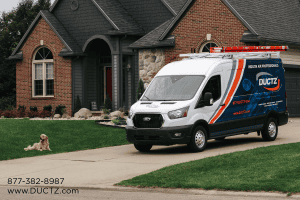
Pets bring love, joy, and companionship to our lives, but they can also introduce challenges when it comes to indoor air quality. From shedding fur to everyday dander, pet-related particles can circulate throughout your living space, often without you realizing the many ways they can negatively impact your home. it.
But don’t worry! We’re not suggesting that you become a pet-free household. There are steps that can be taken that will encourage improved indoor air – without sacrificing the love of those furry family members.
How Pets Can Impact Indoor Air Quality
Even the cleanest pets contribute to indoor air challenges. As pets move through your home, they naturally shed hair and dander and can also track in pollen and dust from outside. Over time, these particles can become airborne and circulate through your HVAC system.
Because of this, even if you keep your pets confined to certain areas of your home, their effect on indoor air quality extends throughout your entire living space.
Common Allergy Triggers in Pet-Friendly Homes
For pet owners, indoor air quality concerns can stem from a buildup of common allergy triggers rather than one single issue. These may include (but are not necessarily limited to):
- Pet dander
- Dust and dust mites
- Extra pollen carried indoors on fur
- VOCs (volatile organic compounds) from pet bedding, cleaning products, and furnishings
While these triggers are a normal part of pet ownership, taking steps to reduce how much of these materials circulate through your home can help create a better indoor environment.
Everyday Steps Pet Owners Can Take to Help Improve Indoor Air Quality
So let’s dive in. What are some practical steps you can take to help improve your indoor air quality? Most of these suggestions don’t require drastic changes. What can really make an impact are small but consistent habits sustained over time.
- Vacuum frequently using a vacuum with a HEPA filter
- Wash pet bedding, blankets, and toys regularly
- Groom pets consistently to help reduce shedding indoors
- Maintain proper indoor humidity levels
- Replace HVAC filters on a regular basis (Recommended every 60 days for homes with pets!)
These steps can help limit how much pet-related debris enters your HVAC system in the first place. But even when all these preventative measures are taken, dust and debris will still enter your HVAC system. Let’s explore why that is important.
Why HVAC Systems Matter for Indoor Air Quality
Your HVAC system plays a vital role in helping to maintain your indoor air quality, especially in pet-filled homes. As air moves through your system, pet hair, dander, and dust can settle inside the ductwork and the vents. Because this buildup happens out of sight, it’s easy to overlook.
Over time, accumulated debris inside ducts can affect airflow, system efficiency, and be distributed throughout your home each time your HVAC system runs. This is where professional home air duct cleaning becomes an important part of a broader indoor air quality strategy.
How Home Air Duct Cleaning Can Help Pet Owners
Professional home air duct cleaning from DUCTZ focuses on addressing buildup inside the ductwork that everyday cleaning can’t reach. In homes with pets, this service can help reduce the circulation of common pet-related allergy triggers that collect inside your HVAC system.
At DUCTZ, our trained technicians follow established industry guidelines and provide before-and-after photo documentation so homeowners can better understand the condition of their system. While no service can eliminate all indoor particles, professional duct cleaning can help support cleaner airflow and improved indoor air quality when paired with routine maintenance.
When Should Pet Owners Consider Professional Home Air Duct Cleaning Services?
There are some notable signs that indicate it’s time for a professional duct cleaning. Pet owners should consider having their HVAC system and ductwork evaluated if they notice:
- Visible dust or debris around vents
- Persistent odors that linger despite cleaning
- Excessive pet hair buildup throughout the home
- Increased HVAC runtime or reduced airflow
Situations like adding a new pet, moving into a previously owned home, or transitioning between seasons can also be good times to assess indoor air quality and HVAC performance.
Frequently Asked Questions About Indoor Air Quality and Pets
Can home air duct cleaning help with pet-related allergy triggers?
Yes. Home air duct cleaning can help reduce the buildup and circulation of common pet-related allergy triggers that collect inside ductwork and circulate through the home over time.
How often should pet owners change HVAC filters?
Homes with pets often benefit from more frequent filter changes–typically every one to three months–depending on the number of pets, system usage, and system requirements.
Is indoor air quality more challenging in homes with multiple pets?
Oftentimes, yes. Multiple pets usually increase the amount of hair, dander, and dust entering the HVAC system, making consistent maintenance and airflow management even more important.
Helping to Create a More Comfortable Home for Every Family Member
Pets are part of the family, and maintaining better indoor air quality helps increase comfort for everyone under your roof. With thoughtful and intentional habits, regular HVAC maintenance, and professional home air duct cleaning, pet owners can enjoy improved indoor air while continuing to enjoy all the good things pets bring into their lives.
DUCTZ is proud to be a trusted resource for homeowners looking to better understand and support their indoor air quality. Have more questions or ready to schedule a professional duct cleaning? Reach out today!
Latest News
-

10 Ways to Improve Energy Efficiency in Your Home This Year
How can I improve energy efficiency in my home this year? Read more for 10 solutions from the pros at…
Read More -
Seven Signs It’s Time for an Air Duct Cleaning
Do I need a professional air duct cleaning? Dust, odors, uneven airflow, and other warning signs from the pros at…
Read More -
Essential Fire Prevention Tips for Your Home and How Dryer Vent Cleaning Plays a Role
From dryer vent cleaning to practicing your escape routes. Practical fire prevention and safety tips from the pros at DUCTZ.
Read More