Summer is in full swing, and even though the calendar tells us summer is winding down, it’s tempting to think cooler days are just around the corner. But in many areas, the hot temperatures (and poor air quality that comes with them) often stretch well into Fall.
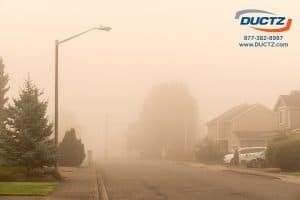
Air quality alerts this time of year are common, triggered by high heat, humidity, pollen, wildfire smoke, and increased ground-level ozone. While these alerts focus on outdoor air, they can have a big impact inside your home or business, too.
When outdoor air quality suffers, contaminants don’t only stay outside. Dust, pollen, fine particles, and pollutants make their way indoors, especially through ventilation systems or compromised HVAC equipment. Let’s explore how that affects your indoor air, why keeping your ductwork maintained matters, and how to help protect your indoor air quality, your HVAC system, and yourself during these lingering summer days.
What Triggers Summer Air Quality Alerts?
Several factors contribute to poor air quality in the warmer months:
- Ozone buildup, created when heat and sunlight react with pollutants.
- Wildfire smoke and particulate matter, drifting into regions even hundreds of miles away.
- High pollen counts, intensified by dry, hot weather.
- Dust stirred up by dry conditions, including from lawn equipment, construction, and traffic.
Even with your windows closed, these contaminants enter your indoor environment and will accumulate over time — especially within your ductwork.
Outdoor Pollution: Heading Indoors Isn’t the Solution
Even a sealed building isn’t a complete shield. Contaminants can slip in via:
- HVAC fresh-air intakes or bypass dampers
- Gaps around ductwork, doors, or utility penetrations
- Everyday activities such as pets, shoes, or clothing carrying in pollen or dust
Once inside, even fine particles will settle into your air ducts, components, and filters and negatively impact your indoor air quality if not maintained and filtered frequently.
How Outdoor Air Quality Can Impact Your HVAC in Your Home or Business
With each outdoor air quality alert, microscopic debris can build up over time in your return ducts and air handler. The result?
- Reduced airflow from clogged filters and ducts
- Additional strain on your HVAC system
- Increased potential for allergy or asthma triggers lingering indoors
- In humid environments, trapped moisture and dust can encourage microbial growth that circulates through the air
That’s why regular maintenance matters — both for performance and comfort.
How to Help Protect Indoor Air Quality During Poor Air Quality Days
Here are proactive steps you can take during the summer months:
- Run HVAC on recirculation mode to limit outdoor air intake
- Change filters regularly, following your system’s specific recommendations for frequency and filter type
- Use an independent air purifier with HEPA filtration for added clean-air support
- Keep windows and doors closed during peak alert times, especially midday
- Schedule professional air duct and condenser coil cleaning to remove accumulated pollutants before they recirculate
Additional Tips to Help Your HVAC This Summer
Even though we’re past the halfway mark of August, your HVAC system still has several weeks of hard work ahead, even on days without air quality alerts. Help keep it running smoothly and efficiently by:
- Scheduling preventative maintenance before the season changes
- Checking and clearing the drainage line to help prevent water damage and mold growth
- Removing debris like leaves, grass clippings, or dirt from around your outdoor unit
- Installing a smart thermostat to better manage cooling cycles and save energy
- Booking a professional assessment with DUCTZ to clean ducts, vents, and HVAC components for peak efficiency
These steps not only help your HVAC work more effectively now but also set it up for a smoother transition into the fall season.
Summer Safety Tips: Protecting Yourself from Heat, UV, and Poor Air Quality
Summer isn’t just tough on your HVAC — it can be tough on you, too. Between lingering high temperatures, UV exposure, and poor air quality days, a little extra precaution can make a big difference.
- Check the Air Quality Index (AQI) before heading outside, and limit strenuous activity on poor air days
- Wear UV-protective clothing and a wide-brim hat to shield your skin
- Apply sunscreen daily with SPF 30 or higher, reapplying every two hours
- Stay hydrated to offset the heat and help your body cope with pollutants
- If possible, plan outdoor activities outside of peak UV hours (10 a.m.–4 p.m.)
By taking care of both your home’s systems and yourself, you can finish out summer feeling healthier and more comfortable — no matter what the weather or air quality brings. Click here for a free downloadable checklist to help keep all these tips top of mind!
The DUCTZ Approach to Improved Indoor Air Quality
At DUCTZ, it’s our job to help ensure your system is clean and operating efficiently. Our professionals remove the buildup of allergens, dust, smoke particles, and even microbial residue—with a service approach backed by industry standards from NADCA, EPA, and IICRC.
By scheduling regular duct cleanings, your indoor air stays fresher, your equipment remains more efficient, and you can help reduce the risk of thermal and allergen-related issues when outdoor air quality drops.
Take Action Before the Air Quality Alert Hits
Summer air quality alerts may be unavoidable, but the way they affect your indoor air doesn’t have to be. When you combine smart habits with professional duct cleaning, you create an environment that’s easier for everyone to breathe in.
Ready to prep your indoor air for the rest of the season and give your HVAC a boost before fall? Contact DUCTZ today to schedule your assessment.
Latest News
-
Keep Fire Safety in Focus with Regular Dryer Vent Cleaning Services
How can pet owners work to improve their indoor air quality? Check out this guide from the pros at DUCTZ!
Read More -
A Pet Owner's Guide to Better Indoor Air Quality
How can pet owners work to improve their indoor air quality? Check out this guide from the pros at DUCTZ!
Read More -

10 Ways to Improve Energy Efficiency in Your Home This Year
How can I improve energy efficiency in my home this year? Read more for 10 solutions from the pros at…
Read More